Categories
Artikkelit Uutiset

HIV did not prevent motherhood

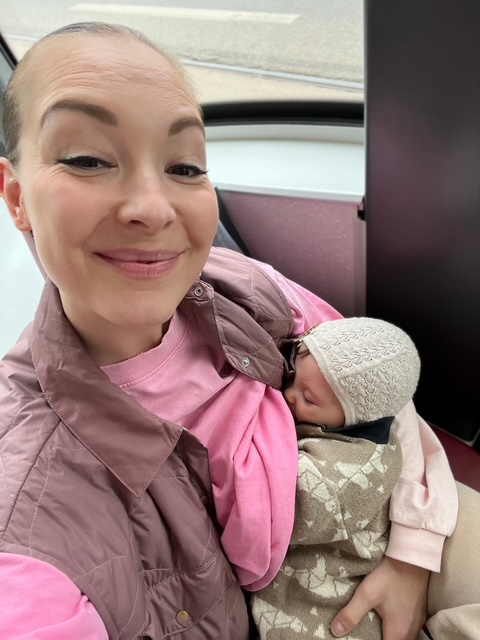
A baby in a strawberry-patterned shirt waves her arms and squirms with a wide smile. She is happy to be able to get out of the stroller and into her mother’s arms to observe the world.

For Paula Eerikäinen, motherhood is a lifelong dream that almost didn’t come true. First, the reason was the lack of a suitable partner. Then she became infected with HIV, and for a while, life seemed hopeless in many ways.

Now, with a five-month-old daughter squealing in her arms, Eerikäinen is ready to break the taboos surrounding HIV infection so that she can be a peer support for others. She refuses to be ashamed.

Shame is a big reason why I got HIV. My partner at the time either didn’t know about his infection or didn’t dare tell me. Shame has also limited me in my life, but now I want to break that harmful cycle. Eerikäinen’s daughter will later decide how openly she wants to talk about the matter. That’s why the baby’s name is not mentioned in the story.

“Who would want a partner with someone who has HIV?” 

As a child, Paula Eerikäinen borrowed baby magazines and literature about childbirth from the library. She loved babies and dreamed of becoming a midwife. As an adult, the dream became stronger.

It was painful not having a partner who was ready to start a family. In the fall of 2024, after the end of a long relationship, Eerikäinen travelled to Cuba to visit friends. There, she had a relationship that lasted several months.

At the beginning of our relationship, we had discussions about both having clean records when it comes to sexually transmitted diseases. While in Cuba, Eerikäinen developed a high fever and stomach symptoms that lasted for several weeks. Locals thought she had dengue fever, and Eerikäinen did not seek hospital treatment.

Upon returning to Finland, Eerikäinen asked to have a blood test. In early December, she was sitting on a tram when the doctor called and gave her the news: Eerikäinen was HIV-positive. I got off at the next stop in shock. My first thought was that my childhood dream had gone. I really didn’t want to spread the virus, and I didn’t know what the disease would mean in my life.

Eerikäinen called two of her friends. One helped her understand that there was a lot of information available about HIV that they could learn together. The other comforted her with dark humour. At the end of the call, she said, “Well, let’s stay positive.”

Other friends and family members were equally shocked, as untreated HIV is a fatal disease. I still received full acceptance and sympathy from them. Many said that the same thing could have happened to them.

Through social media, Eerikäinen contacted a person she thought was HIV-positive. Eerikäinen told her story and admitted that she was in deep waters in thoughts. He came to me that same evening and told me that he had lived with the virus for decades. Peer support was very important at that point.

HIV medication was started quickly. After just one month, laboratory results showed that the viral level had dropped to a low level and the disease was not contagious. Gradually, I realized that HIV is no worse than other chronic, treatable diseases. I take medicine every day, but HIV does not affect my life. The doctor comforted me that my life expectancy has probably increased because I am under such close monitoring for the rest of my life.

Eerikäinen also learned that the virus would not be an obstacle to having a child. However, at that point I thought I was screwed. Who would want to partner with someone who has HIV?

About a month later, Eerikäinen ended up going on a date with an acquaintance. The man wasn’t unsure about his feelings, but HIV-related issues were on his mind. The new couple decided to go to an infectious disease doctor’s office together.

They also talked about children. Both thought that getting pregnant wouldn’t be easy. A month later, the test came back positive. That same night, the man asked his best friends to be our child’s godparents. Everyone was happy for us.

The surprises of motherhood are not related to HIV.

In recent years, approximately 250 new HIV infections have been detected in Finland each year. According to the National Institute for Health and Welfare (THL), the number has increased sharply, particularly due to migration caused by the war in Ukraine. Only one in ten new infections has its origin in Finland.

The exact number of pregnancies in HIV-positive women is not available. It is known that drug treatment during pregnancy, combined with a short period of drug treatment for the baby after birth, reduces the risk of infection in the baby to less than 1%.

Eerikäinen is not afraid that she will pass HIV to her baby. The last time there were cases of infection in mother-child pairs with a balanced treatment regimen, that is, in medicated mothers, was in Africa in the 90s. My husband and I talked about what would happen if our child got the virus. We came to the conclusion that, in that case, there would be medication that would also work for her. It brought us peace of mind.

“Right now, I’m mostly a mother, and I don’t need to be anything else.”

Eerikäinen has been met mostly well in healthcare. I’ve been thinking that not everyone there necessarily has information about it. That’s why I’m taking the initiative to tell them that I’ve been medicated, and I can’t contract the virus (U=U).

From my childhood, I remember the midwife reminding the new mother of the importance of not smoking and not using drugs. I wondered if she assumed we were drug users. I asked her directly about it, and after that she also treated us properly.

Breastfeeding was as natural to Eerikäinen as pregnancy and having a child. However, in Finland, it comes with a lot of restrictions if the mother has HIV. Continuous medication is recommended for the child during breastfeeding, and neither formula milk nor solid food should be given.

However, I felt confident about it. The milk came in well and the baby had no difficulty sucking. To be on the safe side, I have blood tests every month and the baby every six weeks.

Eerikäinen has searched extensively for information about HIV pregnancy and motherhood. She is particularly grateful to Positiiviset, which has offered her peer support, advice, and plenty of general information about the disease and life with it. Her own infectious disease specialist has also been truly encouraging.

– In Finland, the recommendations are strict, but doctors have been willing to discuss issues, seek new information, and admit if the information they have is outdated.

According to the 2BMOM study conducted in Finland, Sweden and Denmark, women living with HIV experience more symptoms of depression, stress and loneliness during pregnancy and after childbirth than women without HIV. One contributing factor is the stigma associated with the condition.

For Paula Eerikäinen, letting go of shame has played a significant role in protecting her from negative emotions. She describes HIV as a kind of superpower in her life, something that has encouraged her to pursue her dreams even more actively. While she does not feel grateful for motherhood and breastfeeding every single moment, she is careful not to take them for granted.

The challenges she has faced in early motherhood have not been related to HIV. Instead, she experienced intense baby blues in the weeks following the birth. During that time, the support of her close circle proved invaluable in helping her through a difficult period.

What did surprise her, however, was how strongly her own childhood experiences resurfaced after the baby was born. She has spent considerable time reflecting on her upbringing and on the boundaries within which it is acceptable for a mother to fall short. This process has given her a new kind of motivation to work through both her past and her present, with the aim of being a safe and supportive adult for her daughter.

Her child represents everything she has ever dreamed of. She sees both her own features and those of her loved one in the baby, which deepens her sense of tenderness and love. At this stage in her life, she feels that she is, above all, a mother, and she has no need to define herself in any other way.

The article is a direct translation of the article “Elämän mittainen unelma – Hiv ei estänyt äitiyttä” from Lapsen maailma (Elisa Miinin, 7.5.2026).
Categories
Artikkelit Uutiset

Happy Toivo (Hope) Day!

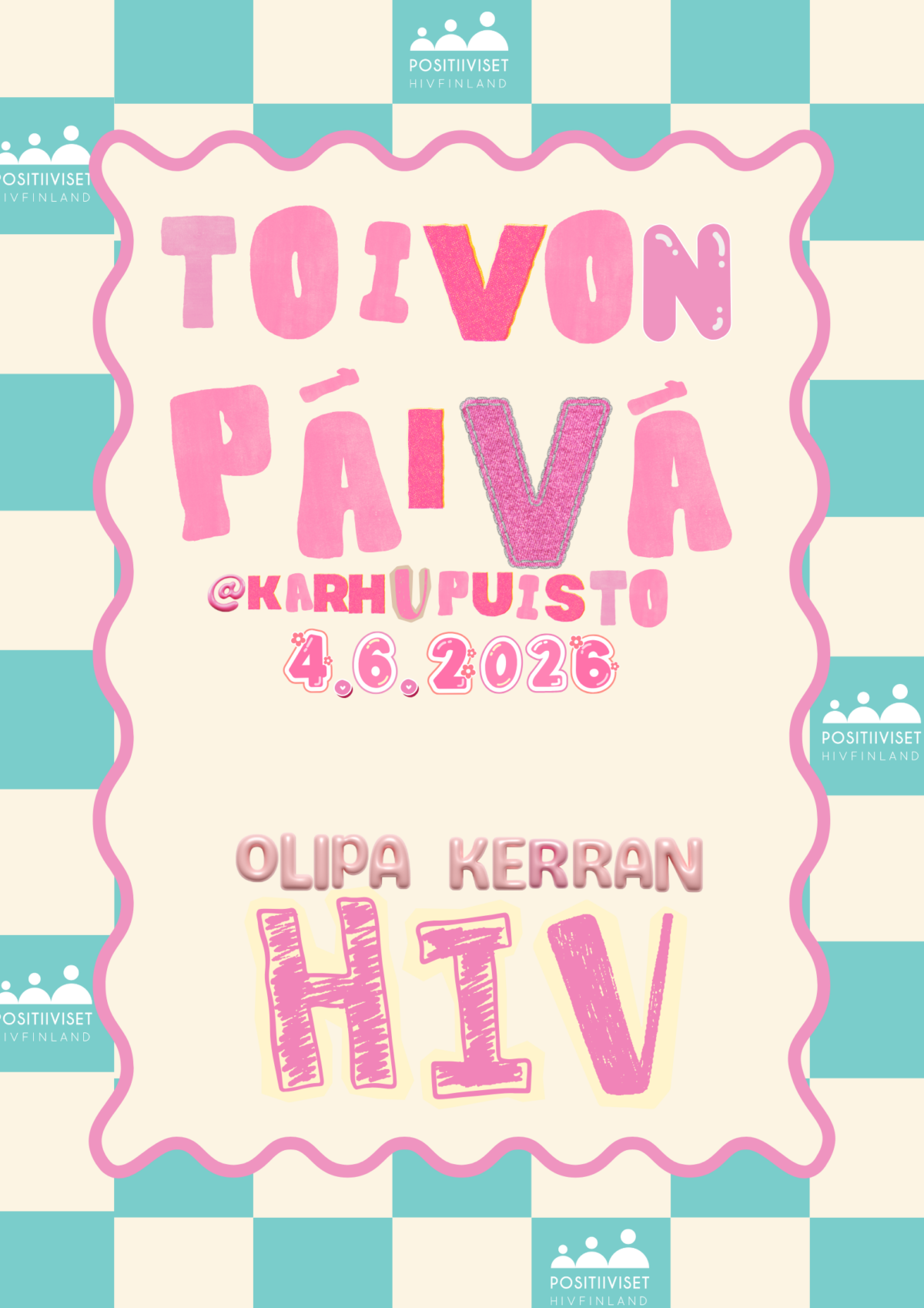
Positiiviset has celebrated Toivo Day since 2004 on 4 June, Toivo’s name day. On this day, we aim to raise awareness about HIV and living with HIV, as well as highlight the positive advances that have been made in HIV treatment. This year, our theme focuses on the stories of people living with HIV and how HIV has impacted their lives. “Olipa kerran hiv” also reminds us that when treated, HIV is not transmissible U=U.

Join us at Karhupuisto and the Kallio Summer Street event stage in Helsinki on 4 June from 16:00 to 20:00 to hear people’s stories and enjoy a lovely summer day. In addition to the programme on the stage, part of the park will be used for side activities for visitors. Toivo Day is a free, family-friendly event. Weather permitting.

Programme
(Stories last approximately 10 minutes each)

16:00 Stories from people living with HIV
16:30 Stories from people living with HIV
17:00 Stories from people living with HIV
17:30 Stories from people living with HIV
18:00 Interview with infectious disease specialist Jussi Sutinen
18:30 Stories from people living with HIV
19:00 Stories from people living with HIV
19:30 Stories from people living with HIV
20:00 Stories from people living with HIV

Music will be provided by DJ Kasumisu between sessions.

You are also warmly welcome to visit our tent in Karhupuisto to talk more about HIV and life with HIV.

Categories
Artikkelit Uutiset

Welcome to our podcast: Olipa kerran hiv

Did you know we’ve published a podcast – and that four of the episodes are in English? In Olipa kerran hiv, we explore real-life experiences alongside expert insights on HIV.

In the episodes, you will hear not only the life experiences of people living with HIV, but also discussions on topics such as HIV treatment and key facts about HIV. You will also learn what steps to take if you are living with HIV and are unsure how to access treatment in Finland.

Our aim is to reduce stigma, prevent discrimination, and increase understanding that it is possible to live a full and good life with HIV. You can stream it on Spotify via the links provided below. The podcast is supported by GSK.

5. HIV essentials
In this episode, infectious disease doctor Tiina Mlangeni breaks down the facts about HIV, in a clear, calm, and understandable manner.

6. Modern HIV treatment
In episode 6, you will hear how with today’s HIV treatment, people live full, healthy lives – and don’t transmit HIV. Infectious disease doctor Tiina Mlangeni explains what modern HIV care really looks like.

11. Born with HIV
When Samantha was 15, she was told she was born with HIV. In this raw, honest episode, Samantha talks about mental health, stigma, dating, friendships, strength, and finding joy while living with HIV.

15. The role of the HIV nurse
Nurses play an important role in HIV care. In this episode, HIV nurse Helena Mäkinen talks about her work and the role of HIV nurses. In this episode, you will also learn what steps to take if you know you are positive but are unsure how to access treatment in Finland.

Categories
Artikkelit Uutiset

New Monthly Cooking Event – Thursday Café

Starting in May, we will gather for monthly international cooking events at our meeting place in Kamppi. The goal is to bring people together through cooking, sharing meals, learning new recipes, and building a strong, inclusive, and international community — all while enjoying a collaborative dining experience.

The events are open to all people living with HIV and their close ones. The gatherings are international, and the main language will be English.

This event focuses on community and cultural food exchange. Each month will feature a theme, a guest cook, or a special focus to keep the experience engaging and dynamic. We encourage volunteering and teamwork, and together with participants, we will share ideas and develop a recurring event.

Event Schedule
2–5 pm – Setup and cooking
5-8 pm – Shared meal and social time

You are welcome to join the cooking session starting at 14:00 or arrive later for the meal. The meal will be served at 17:00, after which you can stay and enjoy the evening together at the meeting place.

Event Dates
May 21
June 11
September 3
October 1
November 5
December 3

You are warmly welcome to share your culture through food, get to know other other people living with HIV and to get in an inclusive community! If you´d like to volunteer to cook and share your native dish or if you have any questions, please contact our peer support coordinator Valo:

Valo Vesikauris
Tel / WhatsApp – 0447507462
Email: [email protected]

Categories
Uutiset

Webinar: Beyond the Statistics – Ukrainian Refugees Living with HIV in the Nordic and Baltic Countries

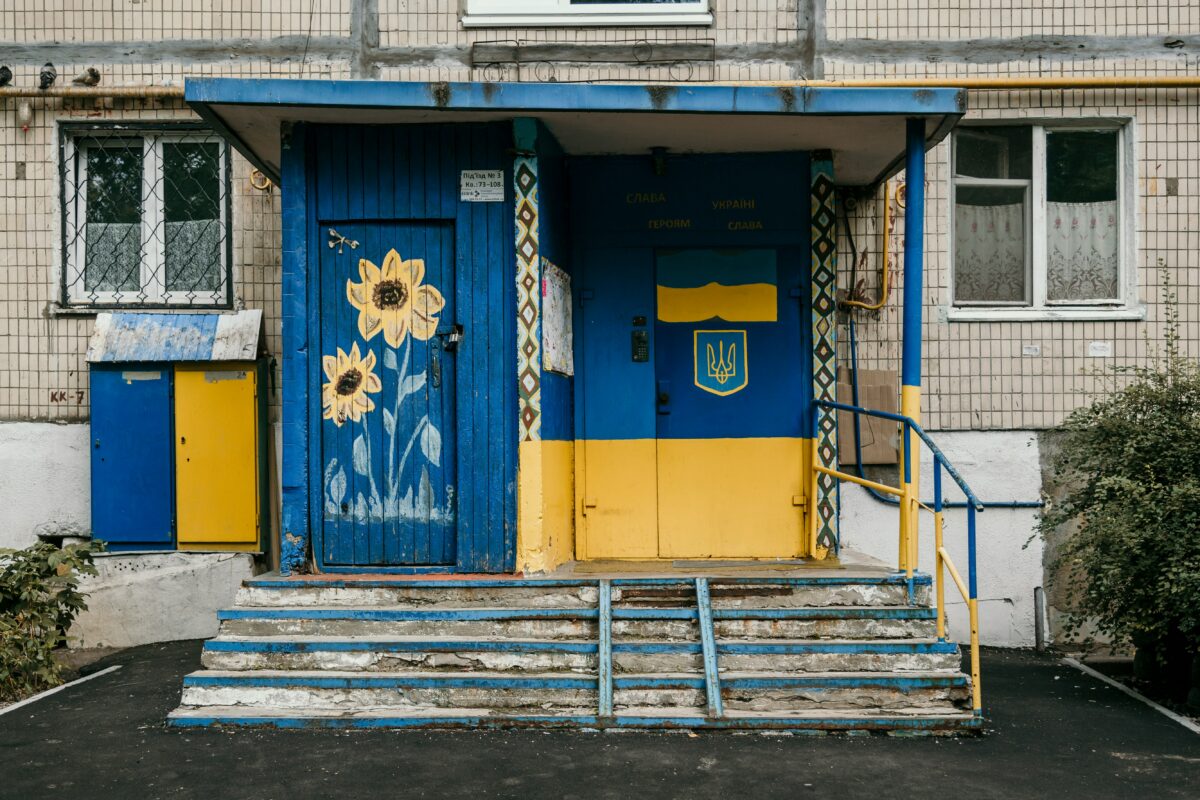
Millions of people have fled Ukraine after Russia´s full-scale invasion in 2022. Behind the refugee statistics are individuals navigating new societies, languages and environments. What are the realities and needs of people living with HIV in the Nordic and Baltic countries?


HivNorway, Positiiviset / HivFinland and Alliance for Public Health (Ukraine) invite to the webinar highlighting this topic with guest speakers from Poland and Baltics. Join and meet experts and civil society activists for insights and practical perspectives. Join to listen our webinar on Thursday 26 February at 3pm (EET)!

In the program:

  • Pavlo Smyrnov (Alliance for Public Health, Ukraine) – On current situation with people living with HIV in Ukraine
  • Mariia Ralko (Fundacja HelpNowHUB) – On grassroot work supporting Ukrainian refugees living with HIV in Poland
  • Armen Aghajanov (BaltHUB) – On cross-border cooperation and the initiative RefAid, supporting Ukrainian refugees living with HIV in the Baltic countries.


Webinar is part of the project Integrated health services in times of war. Experiences from Ukraine, supported by the Nordic Council of Ministers and is suitable for healthcare employees, refugee health care, social workers, politicians, journalists, decision- makers, civil society and human rights activists.

About the organisations:

Alliance for Public Health (Ukraine) is a leading non- governmental organisation making a significant impact on the epidemics of HIV/AIDS, tuberculosis, viral hepatitis in Ukraine. In cooperation with state partners and civil society organisations, it provides financial and technical support to programs, covering over 250, 000 representatives of most vulnerable populations.


Fundacja HelpNowHUB (Poland) is a non-profit organisation, founded in October 2023 by Ukrainian women fleeing war (refugees) and living with HIV. The aim is to provide emergency and comprehensive assistance to Ukrainian refugees from key populations (KP) facing medical and psychosocial difficulties not covered by traditional humanitarian mechanisms in Poland.


BaltHUB is a regional support and coordination network uniting 11+ community organizations across 8 countries, working in countries to improve access to health, psychosocial and legal services for Ukrainian refugees living with HIV and other key populations.

Register by 11 am on 26 February (EET). Please note that the first part of the registration is in Norwegian. You are warmly invited!

Photo by Marjan Blan, Unsplash

Categories
Uutiset

European Testing Week

Reaching migrants and mobile populations with testing services and related prevention and care for infectious diseases is key to reaching global targets by 2030.

Health, and access to healthcare, is a fundamental human right for all, including migrants and mobile populations!

European Testing Week is a campaign that encourages organisations and institutions — in community, health care and policy — throughout Europe to unite for one week twice a year to increase testing efforts and promote awareness on the benefits of earlier testing for hepatitis, HIV  and sexually transmitted infections. This initiative has progressed since its start in 2013 and has grown to be a widely recognised European event with hundreds of organisations participating every year.  

Categories
Uutiset

Healthcare Preparedness in the Nordic Region: How Prepared Are We?

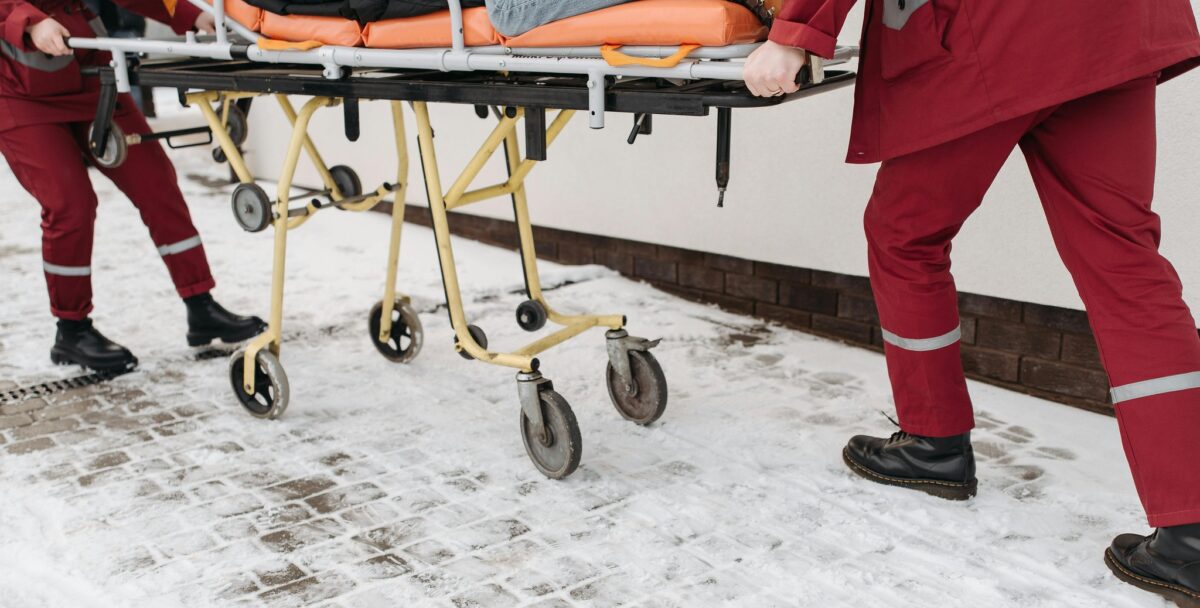
Healthcare preparedness has received a lot of attention in recent years — and for good reason. The COVID-19 pandemic and the war in Ukraine have demonstrated how vulnerable our societies can be without a comprehensive and inclusive preparedness system. The Nordic countries generally have strong welfare systems, well-functioning healthcare services, and a high level of trust between authorities and population. There is also no shortage of preparedness strategies — but how well prepared are we in the Nordic region, really, in case of an unforeseen crisis?

And, is there anything we can learn from Ukraine when it comes to managing large-scale crises — especially in terms of protecting vulnerable groups in society, such as people living with HIV and other chronic diagnosis?

HivNorway, Positiiviset/HivFinland, HivSweden, and the Ukrainian Alliance for Public Health invite you to a panel discussion where these questions will be discussed.

The projects and the event is supported by The Nordic Council of Ministers.

You can live-stream the event on Wednesday, 12 November at 3 PM (EET) via this link: https://vimeo.com/event/5434259

Categories
Uutiset

Women’s Health and HIV Webinar 

Join us on 29 October for an insightful webinar by Dr. Nneka Nwokolo.

Have questions about women’s health and HIV treatment — such as pregnancy, breastfeeding, menopause, or physical and mental health issues like brain fog, muscle pain, digestive problems, anxiety, or depression? This is your unique opportunity to ask an expert directly! The session is in English.

Dr Nwokolo has 20 years of experience as a consultant physician in sexual health and HIV medicine at Chelsea and Westminster Hospital, London, and is currently Medical Director at ViiV Healthcare. The event is hosted by Positiiviset ry in collaboration with GSK.

You are warmly welcome to join us and watch the webinar together at our meeting place in Kamppi. Please note that the webinar starts at 5:30 p.m., so arrive a little earlier. A light snack will be provided for participants by Positiiviset ry.

If you´d prefer to follow the webinar by yourself, please send an email to [email protected] to register.For more information please visit positiiviset.fi or send us a message on WhatsApp +358 44 750 7460.